Smart Choices for Safer, Healthier Trees in Gulf-Climate Yards
Initially, assess your property with a clear objective: safety, aesthetics, or growth management. That first pass frames everything from pruning intervals to long-term replacement planning. In the Gulf climate, wind exposure and saturated soils can stress even mature canopies, so documenting lean, bark wounds, and root flare issues helps you rank priorities. A simple yard map with notes on species, drip lines, and nearby utilities sets the stage for effective action.
Meanwhile, scope seasonal timing to match tree biology and weather patterns. Pruning during dormancy often reduces sap bleed and pest pressure, while hurricane season calls for proactive thinning to reduce sail effect. Verify local guidelines before making structural cuts on street-adjacent trees. When in doubt, stage lighter work first and preserve options; you can refine the plan later once growth responses become visible.
Then, align your goals with the right mix of services. Light shaping and deadwood removal protect assets without over-thinning, whereas structural pruning addresses weak unions and crossing branches. For declining specimens, Tree Removal may be the responsible choice to buffer homes, fences, and play areas from risk. Always validate whether roots threaten foundations or utilities before deciding between corrective pruning and full removal.
However, safety starts at ground level. Calibrate your expectations around access paths for equipment, overhead clearances, and drop zones. In practice, tight gates, soft lawns, or steep grades can affect feasibility and cost. Protecting turf with mats, staging chip trucks on firm surfaces, and sequencing cuts to limit swing radius all reduce collateral damage. Document pre-existing property conditions so any post-work questions are straightforward to resolve.
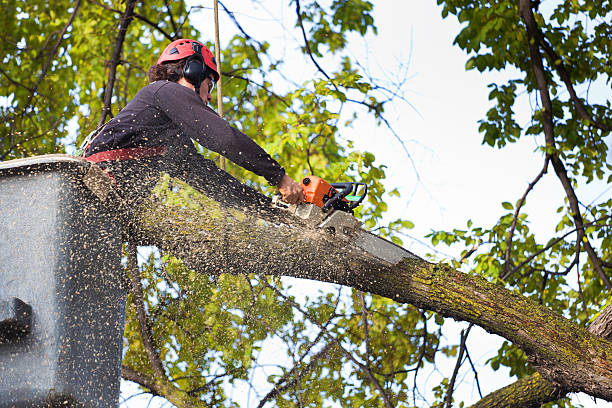
Beyond that, understand the difference between corrective and maintenance Tree Trimming. Corrective work restores structure after storms or neglect, while maintenance trims maintain clearance, airflow, and light penetration. Inspect attachment angles, included bark, and prior topping scars to avoid repeating harmful patterns. Aim to maintain live crowns appropriate to species and age, preserving enough foliage to sustain energy reserves while improving storm resilience and appearance.
Often, the stump plan gets overlooked. Stump Grinding supports replanting, lawn restoration, or hardscape expansion by removing below-grade wood and major surface roots. Validate the presence of buried utilities before any grinding begins. Afterward, backfill with clean material, compact lightly, and seed or mulch promptly to prevent settling. If replanting nearby, allow time for wood decay to stabilize soil and reduce nutrient tie-up.
Next, plan for contingencies by setting triggers for Emergency Tree Service. High winds, saturated soils, and compromised leaders can escalate quickly. Establish a short list of risks—lean toward structures, cracked stems, heaving root plates—and define action thresholds. Keep access points clear for crews, and store basic tarps and caution tape to secure sites temporarily. Clear documentation and photos help expedite decisions during stressful moments.
After the heavy work, shift focus to maintenance rhythms. Maintain young trees with formative cuts that set strong scaffolds, while mature canopies benefit from periodic inspections rather than frequent reductions. Mulch depth should be modest and kept off the trunk, and irrigation should be deep yet infrequent to encourage robust roots. Verify pruning wounds remain clean, and refine future intervals based on growth rates and site exposure.
Additionally, budgeting benefits from phasing. Sequence high-risk removals or structural corrections first, then schedule aesthetic improvements later. Bundle nearby tasks to reduce mobilization, and align mulch or disposal choices with local recycling options. If you generate firewood or chips, decide where they’ll be stored or spread ahead of time. Transparent scoping, itemized work segments, and clear photos help track value without overcommitting funds.
Finally, think lifecycle. Trees age, neighborhoods evolve, and sunlight patterns shift with new construction. Validate long-term species fit before replacing a removal, considering mature height, root behavior, and storm tolerance. Tree Service plans that combine inspection, pruning, and targeted interventions reduce surprises and extend canopy benefits. By documenting conditions, staging work logically, and revisiting goals yearly, you’ll sustain safer, healthier trees with fewer disruptions.